India’s textile heritage isn’t just about vibrant motifs or intricate weaves; many fabrics were purpose-designed for the country’s varied climates. From searing summer plains to misty mountain retreats, skilled artisans developed textiles that kept wearers cool, warm, dry or comfortable depending on the weather. In an era of fast fashion and synthetic overload, these climate-smart fabrics are resurfacing as models of sustainable design.
1. Kota Doria: Desert Summers
Originating from the town of Kota and its surrounding weaving centres, Kota Doria blends cotton and silk in a fine check pattern known as khat. The fabric also comes in an only-cotton blend.
Why it works for blistering heat: The weave creates a fabric that is ultra-light and semi-transparent, offering maximum breathability. The check weave leaves micro-spaces in the fabric, enabling airflow and reducing heat retention.
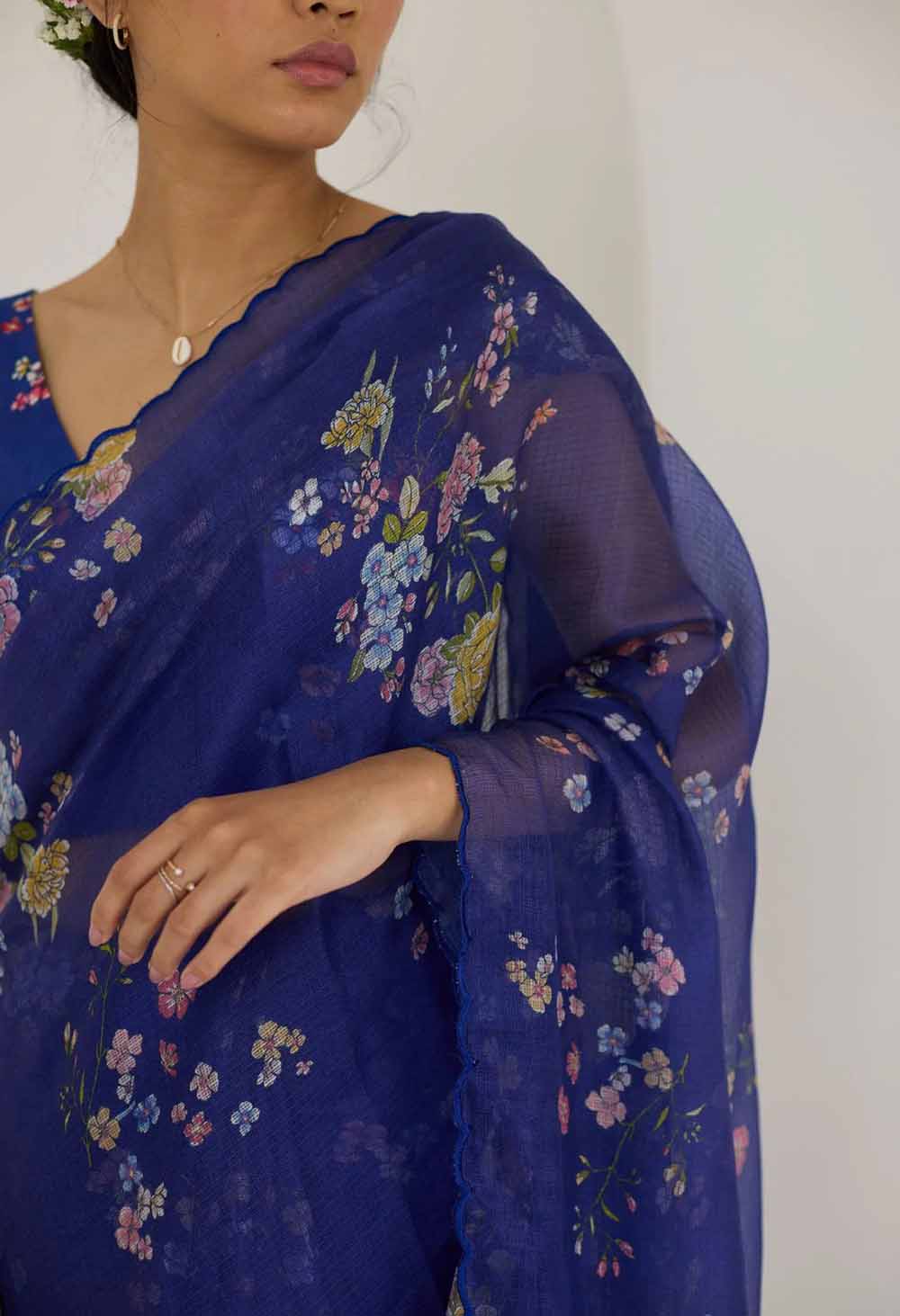
Image Source: nadiyapaar.com
Ideal for desert summers or inland heat, this textile drapes softly, allows skin to breathe and feels like a second skin.
Tip to wear it: A Kota Doria saree or dupatta is perfect for late spring to summer. Choose light pastel or natural hues and minimal layering so you float through the heat rather than fight it.
2. Khadi: Warm in Winter, Cool in Summer
Hand-spun and hand-woven, Khadi is India’s iconic freedom fabric, but beyond symbolism, its climate adaptability is real.
Climate-smart features: The irregular, human-spun yarn means tiny air pockets form inside the weave, which trap heat when it’s cold, and dissipate it when it’s warm.
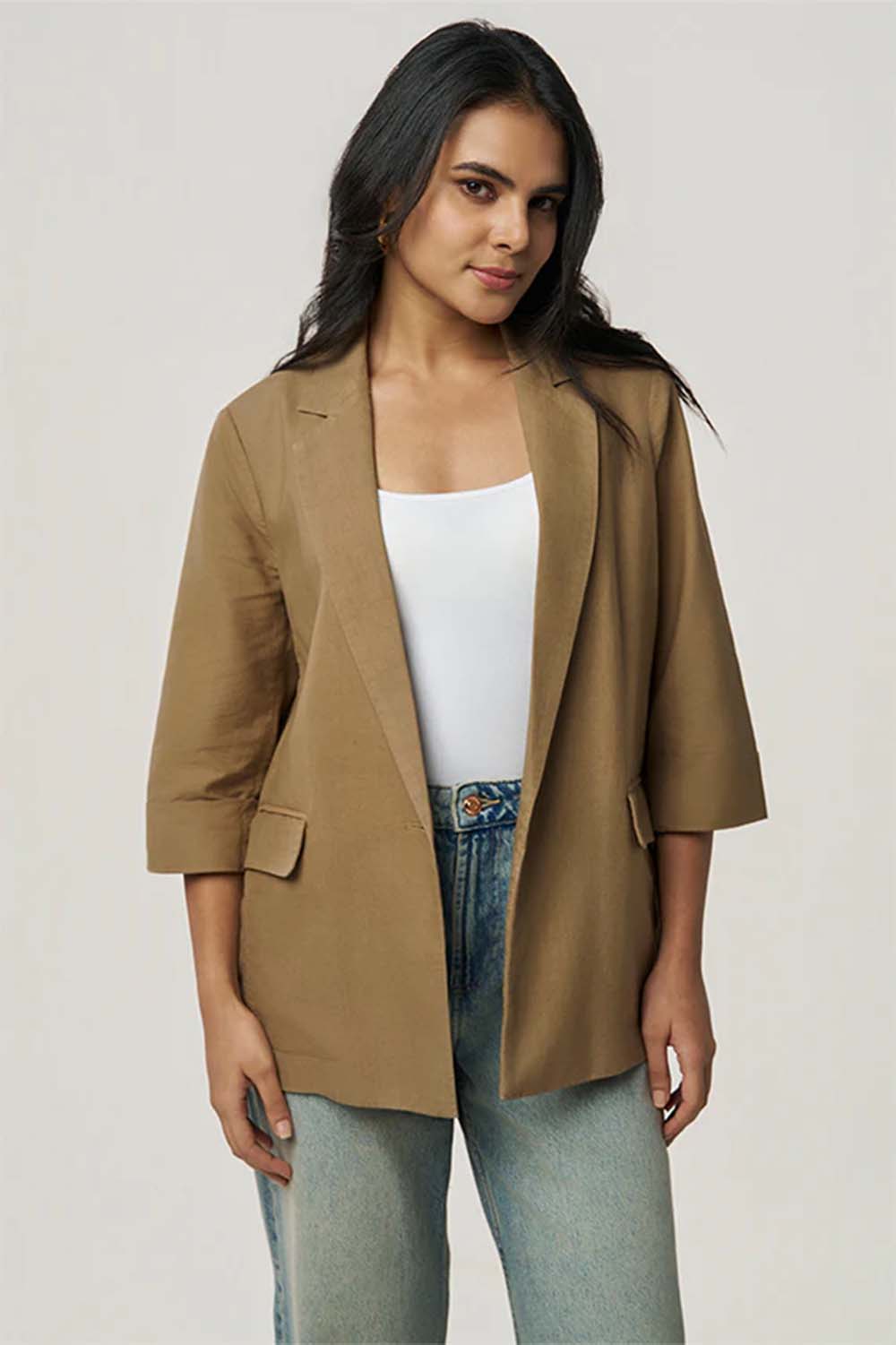
Image Source: terralunaindia.com
It is made of natural fibres, often cotton or silk, and uses minimal industrial input, making it breathable and long-lasting. Because of its breeze-friendly structure, a Khadi shirt can keep you cool on humid days and cosy on crisp winter evenings.
Tip to wear it: A Khadi shirt for summer with a light cotton bottom; in winter, switch to a Khadi shawl or a thicker-weave layer over tees.
3. Mashru: The Monsoon Ally
Mashru is a lesser-known yet fascinating textile: historically woven with a silk warp and cotton weft, offering the sheen of silk on the face, and the comfort of cotton inside.
Why it fits transitional weather: The silk front lends elegance and the drape you want for occasions, while the cotton back provides comfort, breathability, and moisture control. In monsoon or humid shoulder seasons, the cotton side touches your skin, helping absorb light moisture, while the silk face presents the luxe finish. It transitions beautifully from late summer into early autumn/winter or from spring into summer.
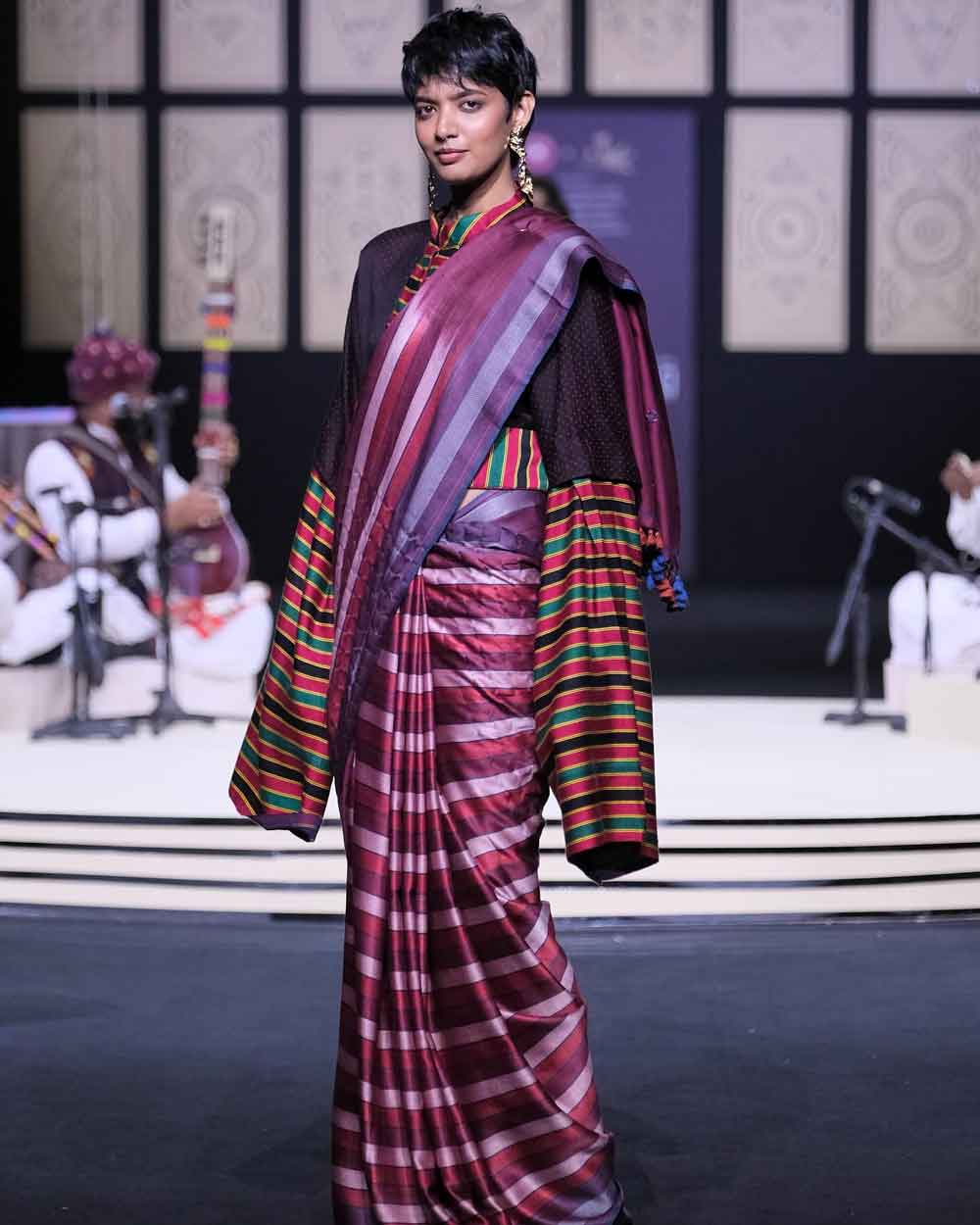
Image Source: Artisan Designer Amruta Vankar's Design | Instagram/lakmefashionwk
Tip to wear it: Try a Mashru saree or jacket when you’re stepping out during changing seasons, these will keep you looking elegant enough for events, comfortable enough for fluctuating weather.
4. Pashmina: Winter Royalty
From the high altitudes of the Himalayas comes Pashmina, a luxury fibre woven for cold, mountain-air climates.
Key properties: Pashmina fibres are ultra-fine, enabling the fabric to trap warm air and provide insulation without weight. Despite the warmth, the fibre remains breathable, so while it excels in winter, it doesn’t suffocate.
It’s ideally suited to winter in the form of shawls, wraps and stoles, but given its insulation value, you can use light versions in cooler summer evenings too, in certain regions.
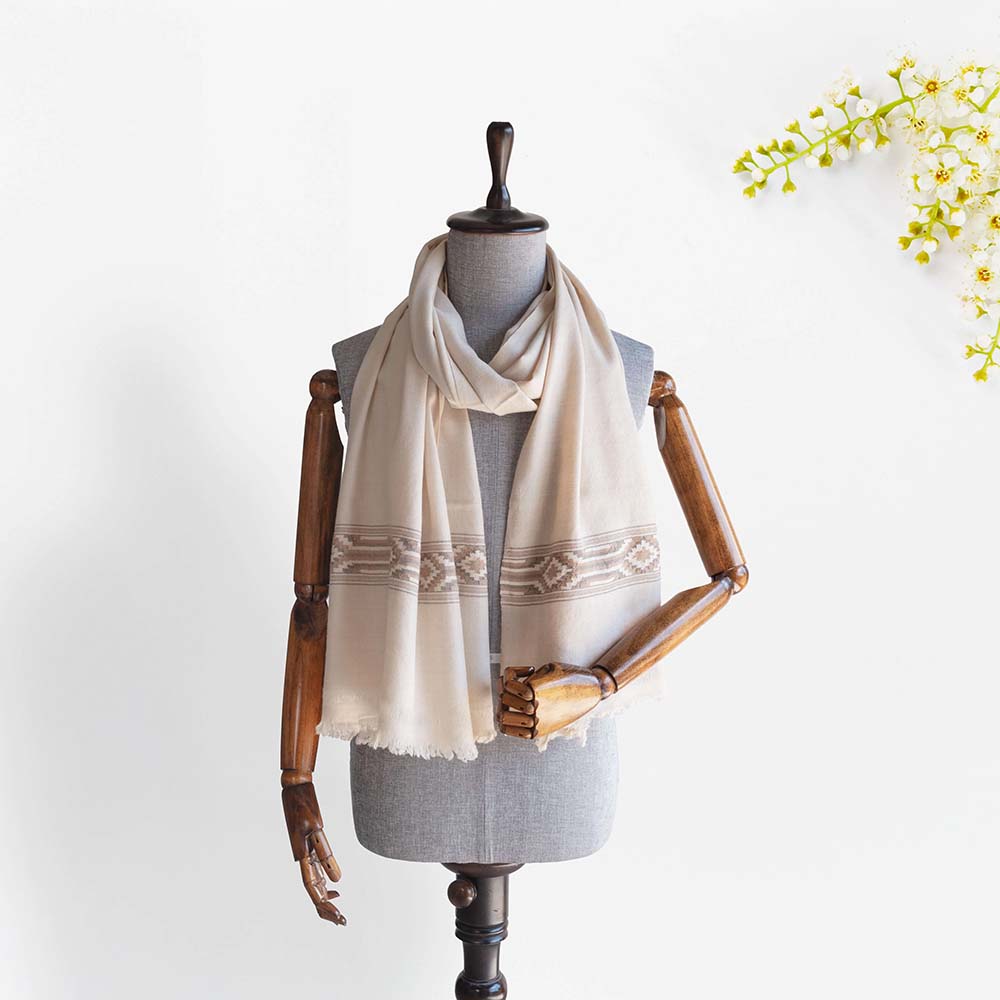
Image Source: Bhutticoshawls.com
Tip to wear it: On crisp winter days, drape a Pashmina shawl over your coat or Indo-western outfit. If you’re travelling to cooler high-altitude places, pack a Pashmina wrap for warmth without bulk.
5. Eri Silk: All-Weather, Ethically Woven
Eri silk (also known as Ahimsa silk) comes from the eri silkworm, which spins an open-ended cocoon allowing the moth to emerge naturally, making it cruelty-free.
Why it handles seasons so well: Eri silk has excellent thermoregulation: it keeps you warm in winter and cool in summer, thanks to its unique fibre structure. It has a matte, wool-like texture that retains silk’s drape, making it a comfortable, elegant choice year-round. Especially suited for modern slow-fashion wardrobes: ethical, all-weather, artisan-woven.
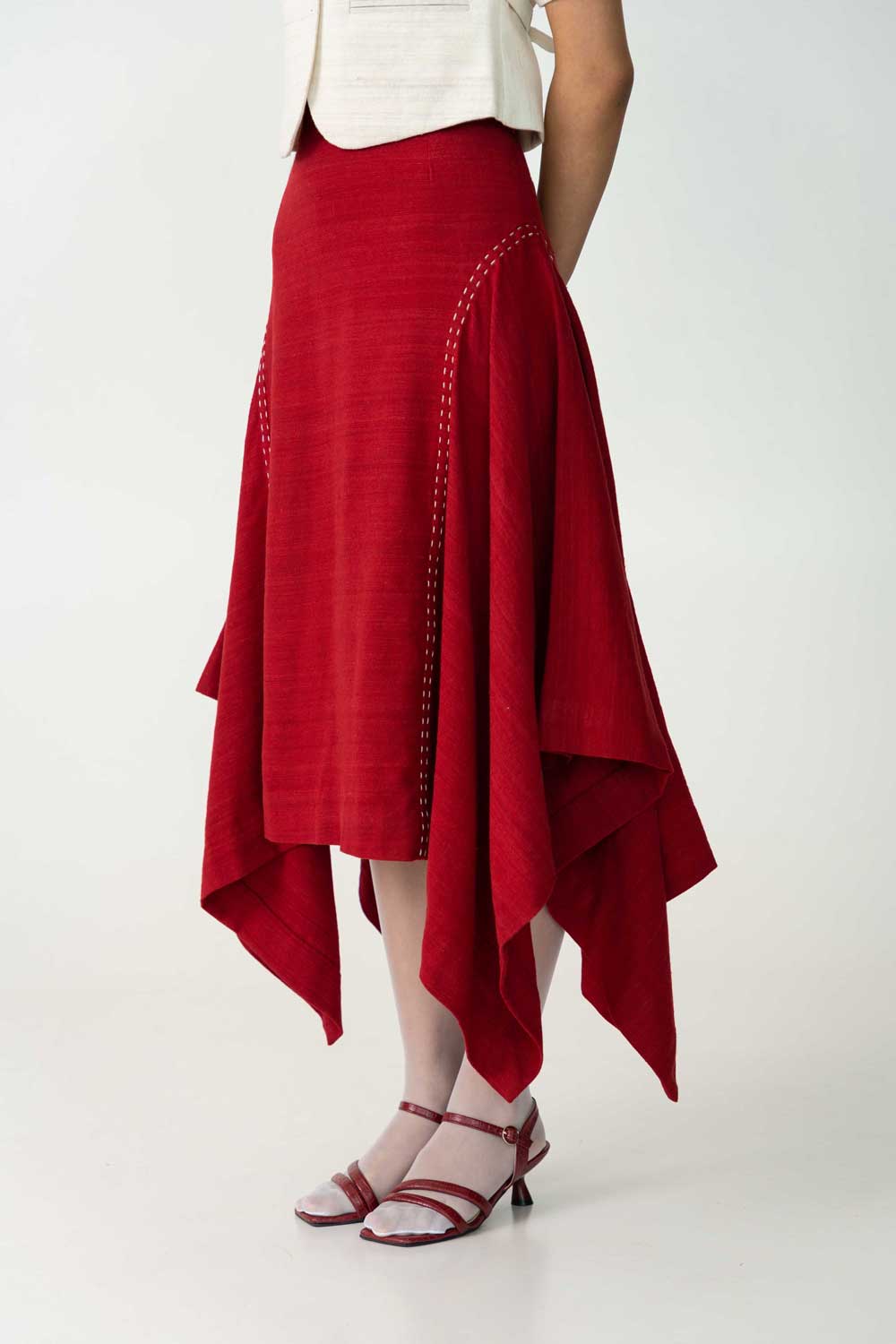
Image Source: Uramaku.com
Tip to wear it: A light-weight Eri silk top or scarf can carry you from spring into summer; switch to a heavier Eri silk stole for cooler months. A versatile piece that honours craft and climate.
In a fast-fashion, one-season world, Indian textiles remind us that fabrics can be smart, sustainable and season-aware. These five textiles are testaments to climate-responsive design long embedded in craft traditions. Choosing them means not just buying for now, but investing in garments that align with nature, heritage and long-term style.