Fashion has always been a reflection of the times we live in. The social environment often influences designers, brands and artisans alike, constantly evolving how fashion shows up on your feed, in your inbox and in stores. In everyday fashion, this began to translate with the increased inclusivity in representation. From curvier models to varied skin tones, heights and genders, the late 2010s and early 2020s saw fashion becoming fair game to all.
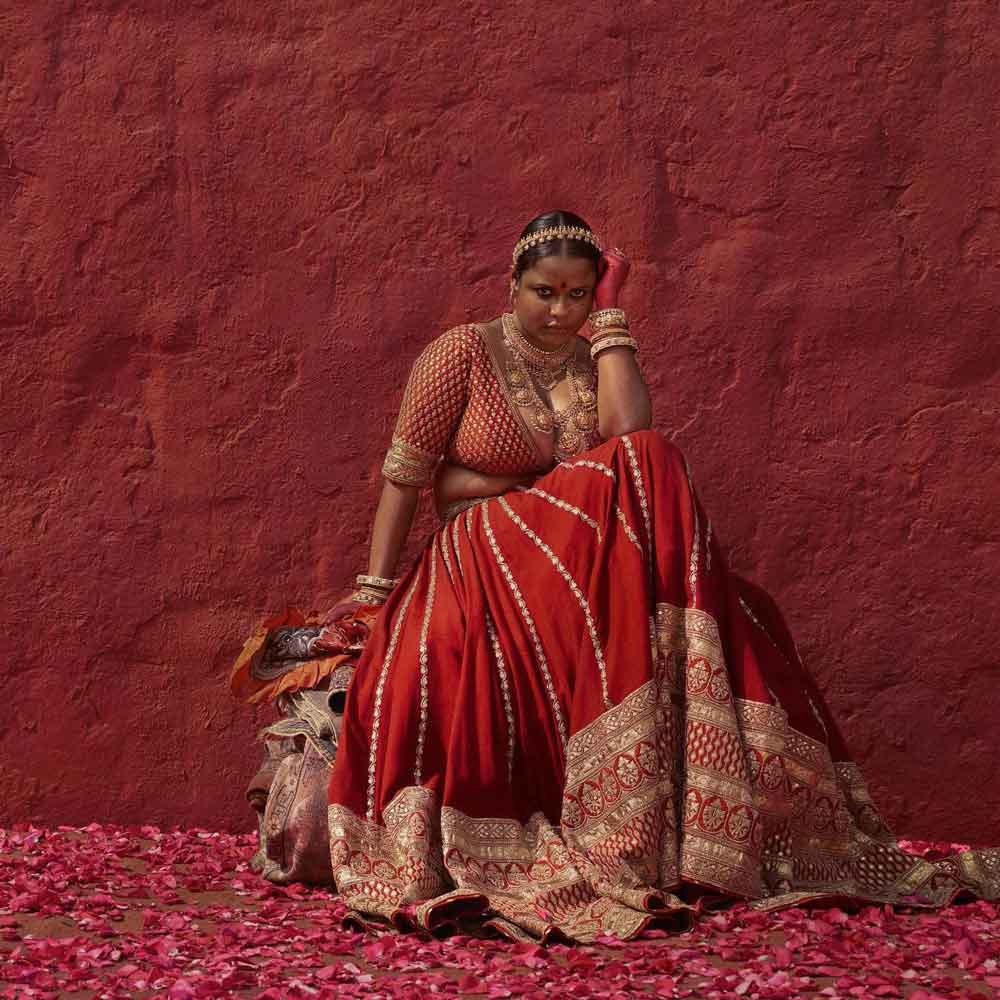
Image Source: Instagram/sabyasachiofficial
Most recently, homegrown fashion’s newest muse reflects a fresh shift that is far more significant than it may appear. While casting a diverse model is one kind of representation, casting a model who is a woman with a life to share, a practice to be proud of and an opinion to be heard, is a huge step in a new direction. It essentially changes the message from being about what you could look like to who the garment was made for. A growing number of homegrown Indian brands are making this evolution in fashion imaging happen. They’re quietly replacing the conventional model with the founder, the artist, the activist, the professional.
Take woman-led label Nouria’s ‘Women of Nouria’ campaign, for example. You’ll see women trace their journeys from when they were 16 to their work lives today. Featuring women who are brand heads at designer jewellery labels, content directors at major production houses or fellow fashion entrepreneurs, the campaign will either teach you a thing or two about navigating life as a working woman or give you something to relate to. All this, while being dressed in an outfit that makes them feel themselves in, while they achieve their work goals.
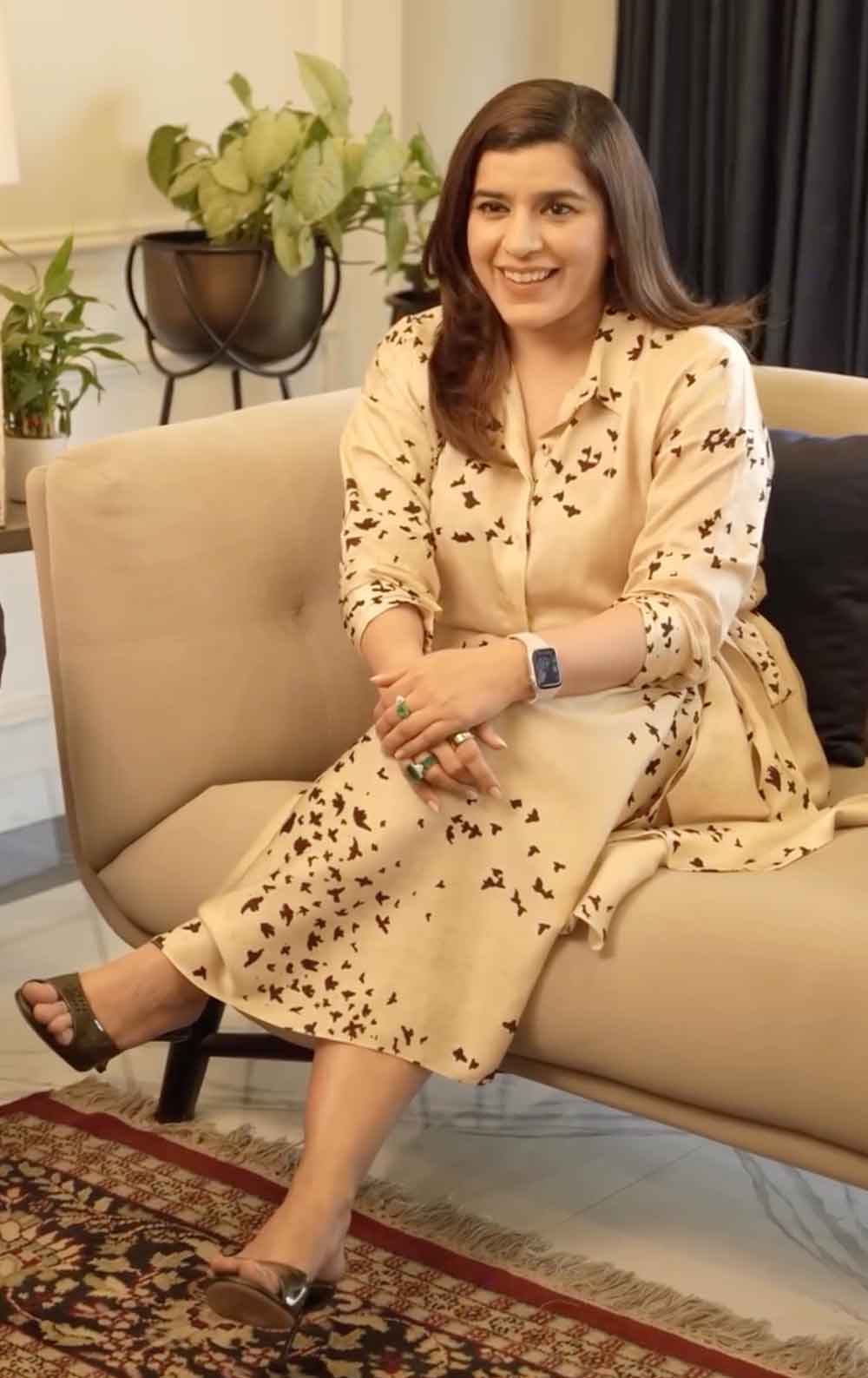
Image Source: Instagram/nouria_official
What’s most interesting is that through the women that most brands feature, you get a small glimpse into the brand’s personality, what it stands for and its fashion ideologies. Take Drawn’s ‘Girls of Summer’ series, for example. The series showcased publicists, communication professionals, food entrepreneurs and fashion entrepreneurs alike. One thing that felt like an echoing theme? The fact that they all preferred their fashion to be anti-trend and fun. The women, on the other hand, showcased a sense of confidence that one might need to pull off an artistic, maximalist look from the brand in a sea of minimalism that seems to have taken over most wardrobes.
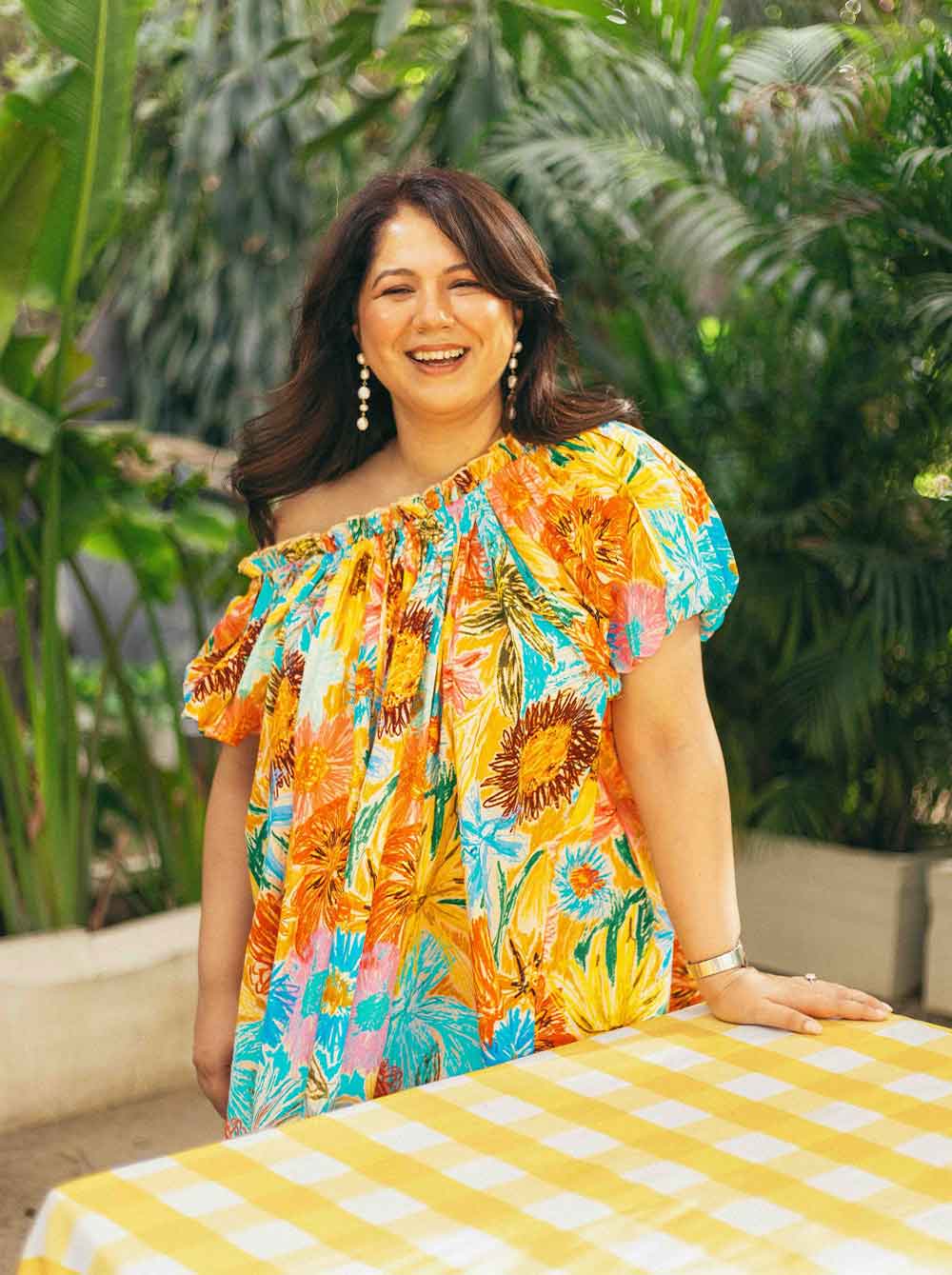
Image Source: Instagram/shopdrawn
And then you come across a much softer approach by slow fashion brand Sui’s series ‘Foundations, The Women Who Live Slow’. This one sees women talk about their approach to work, entrepreneurship, motherhood and other multifaceted aspects of their lives. Also featuring entrepreneurs, working professionals and women in media, the series is oddly soothing to go through, much like a window into Sui’s brand values of sustainability and taking fashion slow.
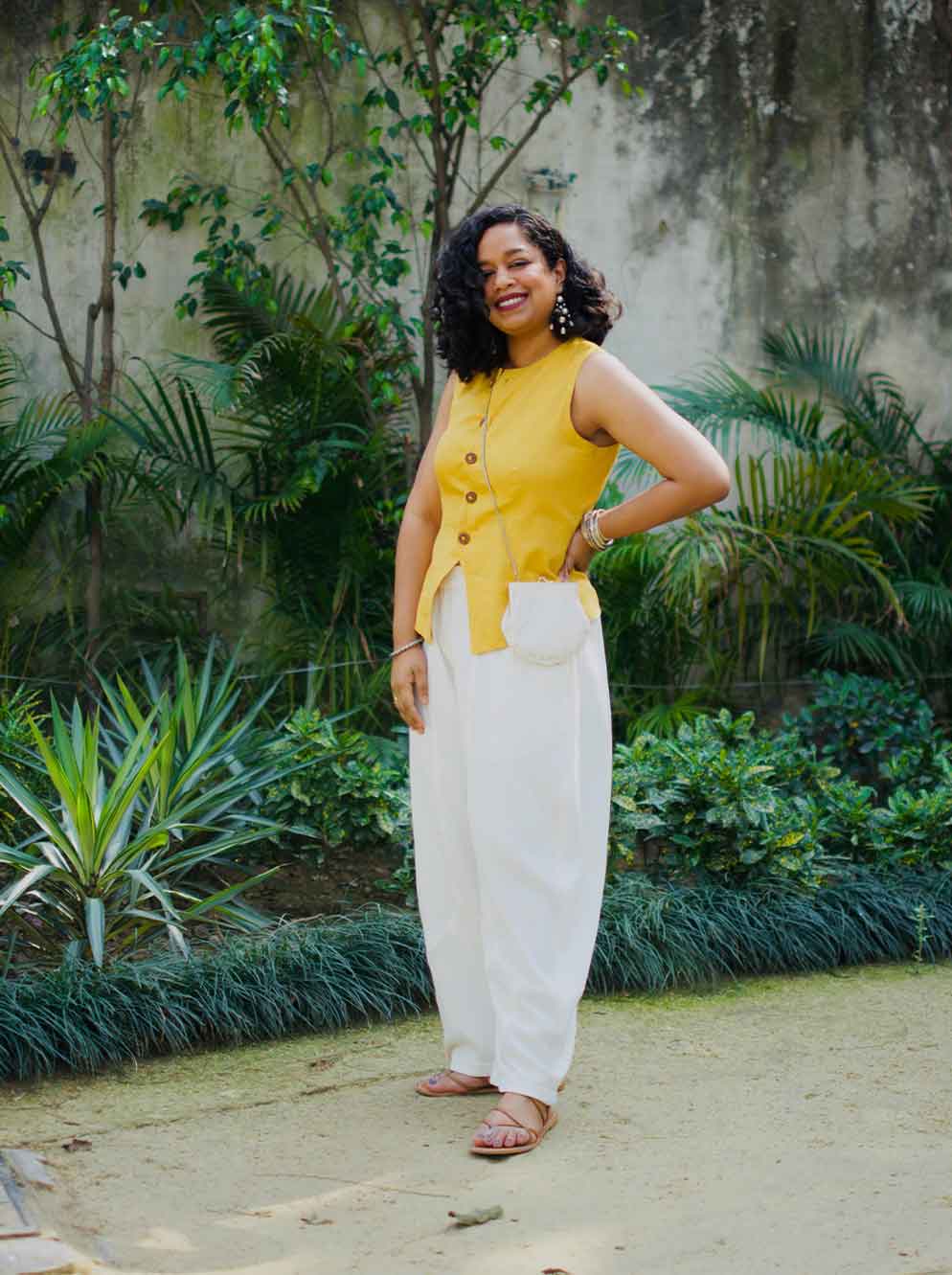
Image Source: Instagram/wearesui
As more women lead boardrooms and build businesses, fashion is beginning to catch up and thus recognising that what women want from a brand has shifted - to be seen for what they do, not just how they look. It is no coincidence that this change in casting is happening alongside a significant shift in economic participation: female labour force participation in India has risen from 23 per cent in 2017-18 to around 42 per cent in 2023-24, according to the Labour and Employment Ministry. More women in the workforce means more women with independent spending power and with that comes a sharper, less forgiving eye for brands that do not speak to them honestly.
Image used for representational purposes only.