The majestic mountains of the Himalayas are among Earth’s most vital ecosystems, acting as water towers, biodiversity hotspots, and home to unique flora and fauna. But today, these very mountains are under mounting pressure from climate change, pollution, unsustainable tourism and plastic waste.
Though many of us live far from mountain valleys, our everyday habits, which may include what we buy, how we use plastic, and how we travel, can have ripple effects all the way up those slopes. By making conscious choices at home, we can help reduce the burden on these fragile mountain ecosystems and contribute to their preservation.
What Happens at Home Affects the Mountains
Air pollution and black carbon accelerate glacier melt
Cities produce large amounts of air pollution. Everything from vehicle exhaust to industry and waste burning to household fuel contributes. These can aid in accelerating glacier retreat, thus undermining the Himalayan region’s ice reserves that feed major rivers and supply water to millions downstream.
High resource consumption drains global systems
Urban lifestyles often mean heavy use of resources: water-intensive foods, energy-heavy appliances, synthetic fabrics, and fast fashion. This drives demand for resource extraction and industrial processes, increasing greenhouse gas emissions and environmental degradation globally. The consequences ripple outward, worsening global warming, destabilising climates, and putting pressure on mountain systems already vulnerable to temperature rise.
As glaciers retreat and Himalayan snowpacks shrink (many glaciers have already lost significant ice volume over recent decades), water security for entire regions becomes uncertain, especially since many major Asian rivers depend on Himalayan meltwater for flow.
Plastic & Packaging Consumption means Pollution Upstream
Much of the waste generated by urban and lowland consumption eventually makes its way into rivers and waterways that flow through the mountains, or gets transported by countless tourists. In many Himalayan regions, plastic pollution, especially from single-use wrappers, bottles, and food packaging, is a major threat.
According to The Himalayan Cleanup (THC) 2024 Report, which audited the Himalayan belt, over 80 per cent of the plastic waste collected can be traced back to single-use food and beverage packaging. Additionally, a large portion of that waste is non-recyclable.
This waste doesn’t just clog picturesque valleys; it harms wildlife, pollutes soil and water sources, and even accelerates the degradation of fragile slopes.
Water Use, Demand, and Climate Footprint
Overconsumption of water, wasteful household practices, and high demand for water-intensive products all increase pressure on water systems downstream, including those originating in the Himalayas.
Tourism and Lifestyle Influence
When urban dwellers travel to hills or mountains, they often bring with them urban consumption patterns: single-use plastics, packaged foods, and convenience-driven habits. This, combined with limited waste infrastructure in remote mountain zones, results in severe environmental damage.
Five Simple Habits at Home That Can Protect the Mountains
Here are some meaningful lifestyle swaps and habits that are easy to adopt and can collectively lessen our footprint on mountain ecosystems:
1. Reduce Plastic & Packaging Use
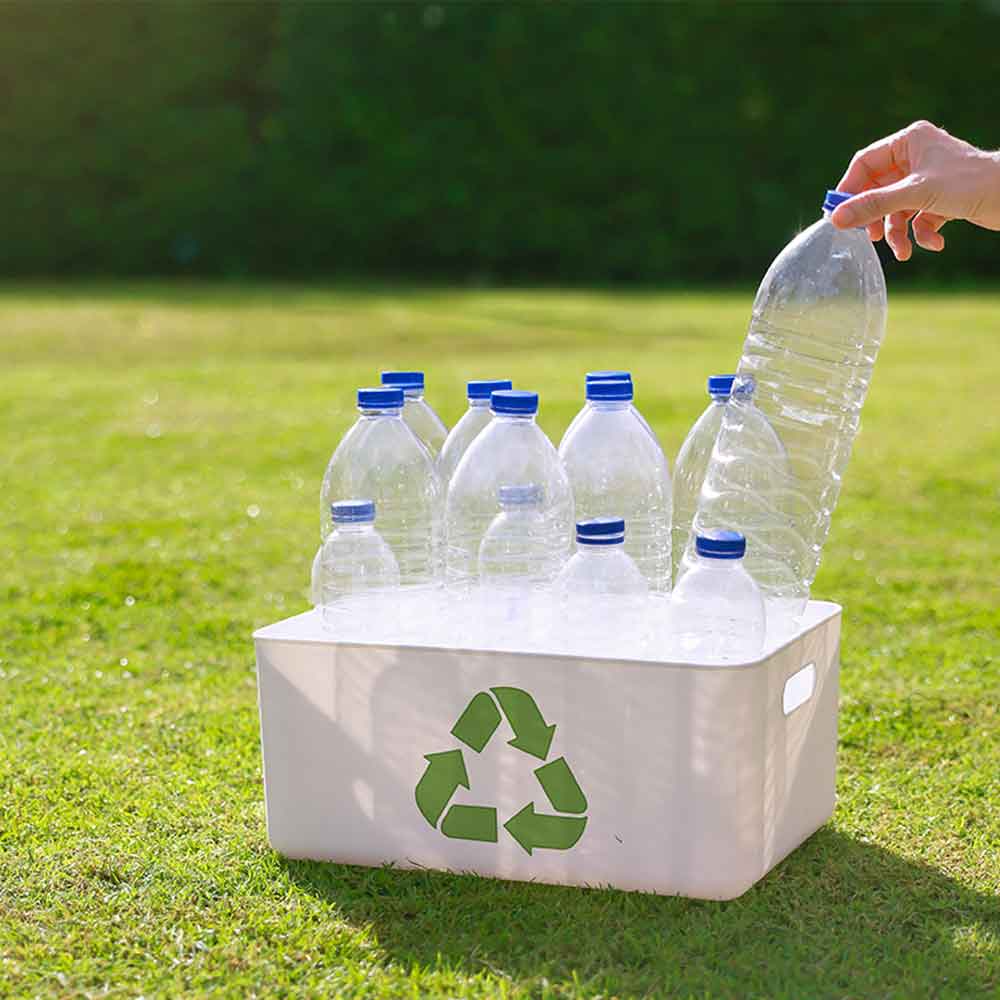
- Use reusable cloth bags instead of plastic ones.
- Choose products with minimal or biodegradable packaging.
- Avoid single-use plastic bottles and carry a refillable water bottle instead.
- Prefer unpackaged produce or buy in bulk using your own containers.
Each avoided plastic wrapper or bottle is one less piece of potential waste that could travel downstream or reach remote mountain zones.
2. Adopt a Low-Water Lifestyle

- Shorten shower times, fix leaks promptly, and use water-efficient fixtures.
- Reuse water where possible (for plants, cleaning).
- Choose clothes and fabrics that require less water to wash or maintain.
Conserving water at home reduces demand on the overall water supply, which, in the context of glacier melt and changing rainfall patterns, matters deeply for Himalayan water security.
3. Choose Responsible, Eco-friendly Products
- Prefer biodegradable or compostable household goods.
- Use cloth napkins, reusable kitchen towels or washable diapers instead of disposables.
- Support brands with transparent, sustainable sourcing and low-waste production practices.
By reducing demand for disposable items, we can curb the inflow of waste into river systems and mountain regions.
4. Practice Conscious Travel & Responsible Tourism

If you travel to mountain destinations:
- Avoid single-use plastics while travelling. Instead, carry reusable bottles, bags, and utensils.
- Pack out all waste; don’t leave trash behind.
- Respect local ecosystems and stick to marked trails, avoid disturbing wildlife, and avoid over-touristed spots when possible.
Your responsible behaviour can help prevent plastic accumulation, land-sliding risk, and pollution in fragile mountainous terrains.
5. Support Mountain Communities and Eco-Friendly Brands
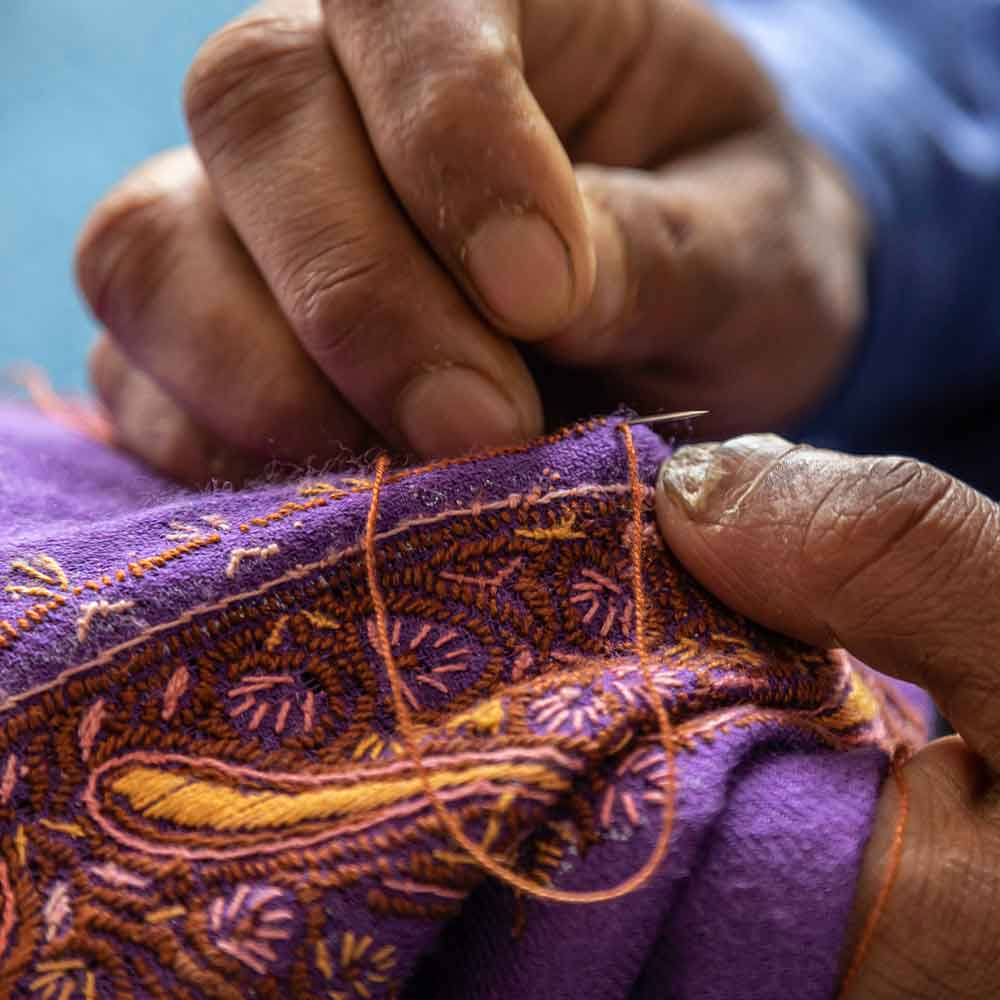
Prefer purchasing goods made by artisans from Himalayan or mountain regions, as this supports sustainable livelihoods and encourages traditional, low-impact craft practices.
By building demand for sustainable goods and ethical tourism, you help create economic incentives that respect the mountains, not exploit the