Anushka Sharma and Virat Kohli have often been spotted cooking together at home between international tours. In her interviews, Anushka has mentioned that cooking with Virat is how they unwind and bond, turning an everyday activity into quality time.
When you hear the word date, Instagram filters, cocktails, and candlelit dinners might immediately spring to mind. But in 2026, a new trend is redefining romance. Welcome to choremance, the art of turning routine chores and errands into quality romantic time. First spotted on viral TikToks and trending on relationship forums earlier this year, choremance is especially popular among Gen Z couples and young parents, who value authentic connection over curated outings.

What Is Choremance?
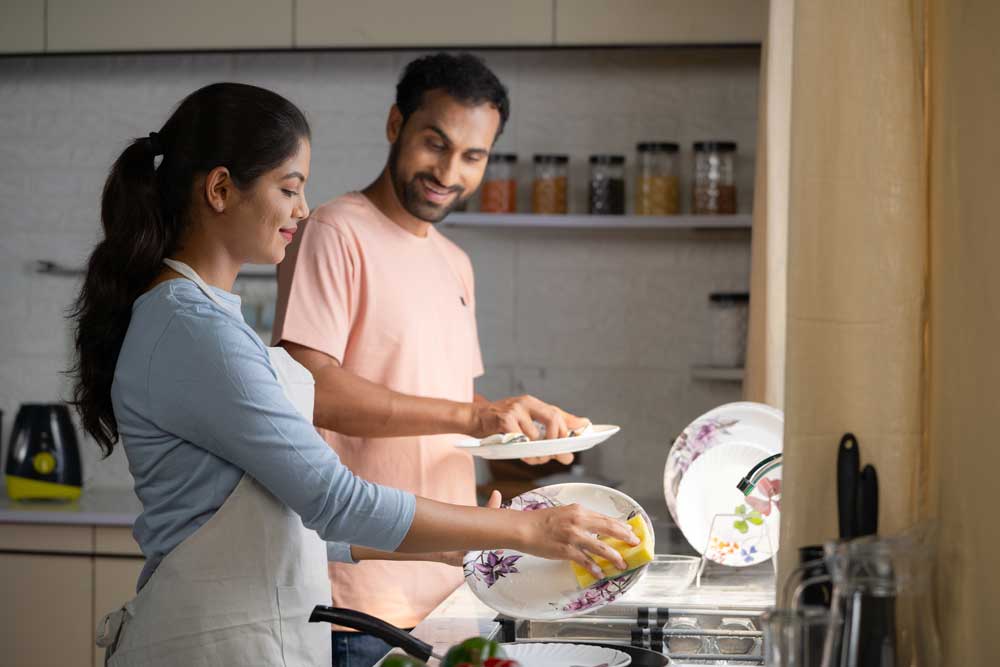
Choremance is a blend of ‘chore’ and ‘romance’, inviting couples to weave love into everyday life by doing daily tasks together such as grocery shopping, cooking, cleaning, solving life admin or even waiting in line at the post office. It embraces the idea that relationships thrive in the ordinary, not just the extraordinary. Imagine a couple walking through a local Indian bazaar for vegetables, debating between brinjals and chillies while holding hands. This moment might not be Instagram-worthy in the classic sense, but is meaningful and real.
Why Chores Can Be Romantic
At first glance, chores may seem like the enemy of spontaneity. But psychological research suggests the opposite. When couples share domestic tasks, they report greater relationship satisfaction, better communication, and deeper emotional bonding.
Shared Activities Strengthen Bonds
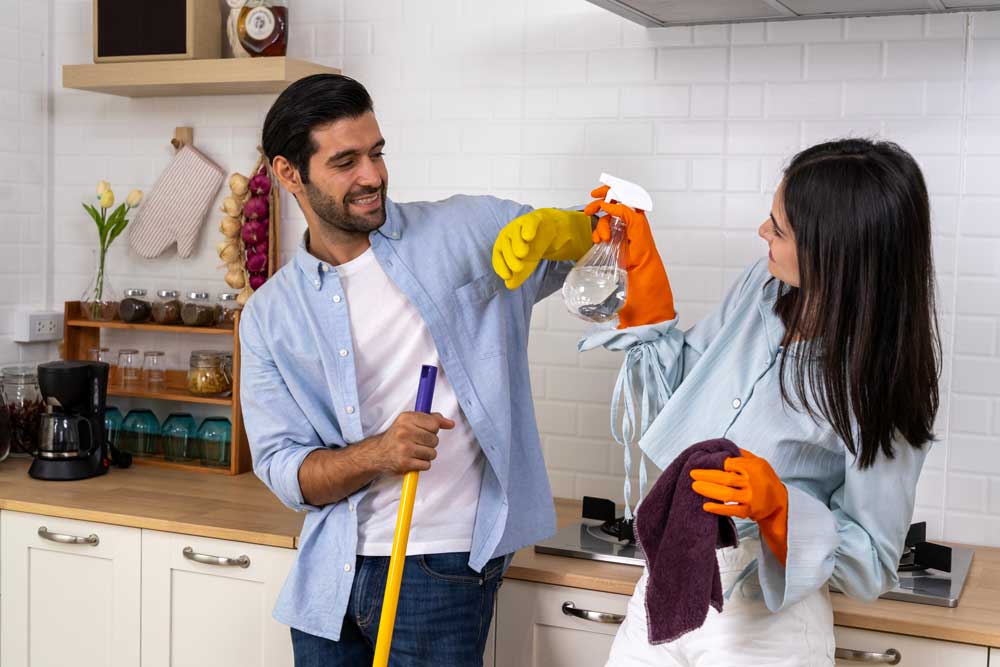
Research on marital satisfaction highlights that shared activities, especially those that require cooperation, foster emotional intimacy, mutual understanding, and teamwork. When partners do things together that involve problem-solving and coordination, they create shared experiences that can enhance relationship quality.
Equity And Fairness Matter
How chores are divided also matters. Studies show that relationships where both partners share or rotate tasks equally tend to have greater perceived fairness and happiness. Feeling valued for one’s contribution to shared responsibilities strengthens emotional connection, an important factor for any thriving partnership.

Routine Becomes Relationship Maintenance
Relationship science distinguishes between strategic romantic gestures (big dates or surprises) and routine maintenance behaviours or the everyday actions that actually preserve closeness. Helping with dishes after dinner, packing lunches together, or sharing a walk while doing errands count as routine maintenance and are linked with positive relationship outcomes.
Why Gen Z Loves It
For Gen Z, choremance resonates because it represents connection over performance. Expensive dinners, elaborate dates, and picture-perfect moments often put pressure on partners to perform love, whereas choremance brings the focus back to being together in ordinary life. In a world where time is scarce and schedules are packed, turning errands into shared experiences allows couples to connect without needing extra time or money. It’s low-stakes and low-pressure. You see your partner’s real moods, habits, and rhythms when you’re navigating traffic or deciphering a grocery list together.
Choremance for Parents
For young parents, choremance can be a relationship hack disguised as productivity. Running errands together while juggling kids and lists is already a part of daily life. Turning it into shared bonding time doesn’t add more to do. This helps reduce the mental load and brings joy into the mundane.
Making Choremance Work
If you’re curious to try choremance, here’s how research suggests you can get the most out of it:
1. Share Tasks, Don’t Split Them
Sharing the same chore together, rather than dividing work, creates collaboration rather than division. Work on the task side by side rather than in parallel.
2. Communicate While You Work
Chores provide a natural backdrop for conversations that aren’t forced. Talk about music, plans, and memories, since letting communication flow improves connectivity.
3. Infuse Playfulness
Make it fun by setting mini-challenges, putting on a playlist, or creating inside jokes. Turning routines into rituals strengthens emotional bonds.
4. Recognise Emotional Labor
Even when doing chores together, acknowledge emotional load. Who’s organising tasks? Who’s remembering lists? Awareness fosters equity and reduces resentment.
Choremance isn’t a magic wand that solves all relationship struggles. Couples still need clear communication, respect, and emotional support beyond shared tasks. But it can be an opportunity to find intimacy in the everyday, reflecting a shift in how younger generations view romance. In the simple act of turning a daily errand into a shared experience, choremance highlights that couples who spend meaningful time together tend to form stronger, more satisfying relationships.