A shift in women’s healthcare has been visible over the past few years from symptom-driven treatment to proactive, data-driven wellness. Women’s Health Month, celebrated in May each year, is a reminder that the future of healthcare is not just about curing disease but also preventing it and personalising care across a woman’s entire life course. This transformation is especially critical since women’s health concerns have historically been underdiagnosed, underreported, and often addressed only after complications arise. Today, a convergence of digital health tools, preventive screening, and personalised analytics is reshaping how conditions like thyroid disorders and muscle loss are managed, both in India and globally.
Traditional healthcare systems, particularly in countries like India, have largely been reactive. Women often seek care only when symptoms become severe, a pattern influenced by structural inequalities, social norms, and limited access to healthcare. Studies show that women in India are less likely to access healthcare resources and often underreport illness, exacerbating late diagnosis and poor outcomes.
However, this model is changing. The rise of wearable technology, AI-driven diagnostics, and preventive screening is enabling earlier detection and continuous monitoring. Instead of waiting for disease, healthcare is moving toward risk prediction, early biomarkers, and lifestyle interventions. In India, this transition has been occurring unevenly, with urban populations adopting preventive health faster than rural ones. The shift is being powered by three key trends:
1) Data-driven personalisation like genomics, hormone tracking, and wearable metrics
2) Preventive health ecosystems such as annual screenings and digital health apps
3) Longevity-focused care that includes muscle, metabolic, and cognitive health
Thyroid Disorders

Thyroid disorders are among the most common endocrine issues affecting women, particularly in reproductive and middle age. In India, community-based studies have found thyroid dysfunction in over 28 per cent of women, with a large proportion undiagnosed. Subclinical hypothyroidism is often symptomless and dominates this burden. A reactive model typically detects thyroid issues only after symptoms like fatigue, weight gain, or fertility challenges appear. In contrast, proactive care uses routine TSH screening, hormonal tracking apps and nutritional analytics (iodine and selenium intake). Globally, there is a shift toward continuous endocrine monitoring, especially for women planning pregnancy or managing menopause. Early detection reduces risks related to cardiovascular disease, infertility, and metabolic disorders.
Muscle Loss
Muscle health is emerging as a critical pillar of women’s long-term wellness, particularly with ageing and menopause. Sarcopenia or age-related muscle loss has historically been overlooked but is now gaining attention. In India, studies show over 10 per cent prevalence of sarcopenia in middle-aged adults with higher rates in rural populations and with poor nutrition. Globally, prevalence ranges from 10 per cent to 27 per cent in older adults. Proactive management includes DEXA scans and body composition tracking, wearable-based activity monitoring, protein intake optimisation and resistance training. This marks a shift from treating frailty after it occurs to preserving muscle mass decades earlier, often beginning in a woman’s 30s or 40s.
Bone Health
Bone density loss is a major concern for women, especially post-menopause. In India, around one in three women may develop osteoporosis and studies show over 80 per cent of postmenopausal women with osteopenia or osteoporosis. Proactive care now includes early bone density scans (DEXA), vitamin D and calcium tracking along with strength training programs. Globally, women are being screened earlier, sometimes in their 40s rather than post-menopause.
Polycystic Ovary Syndrome (PCOS)
PCOS is one of the most common hormonal disorders in reproductive-age women worldwide. It is closely linked to insulin resistance, obesity, and infertility. The proactive shift includes continuous glucose monitoring (CGM), menstrual cycle tracking apps, and lifestyle interventions such as diet, exercise, and sleep. In India, rising urbanisation and sedentary lifestyles are increasing PCOS prevalence, making early intervention crucial.
Cardiovascular Disease
Traditionally seen as a male disease, cardiovascular ailments are now recognised as a leading cause of death in women globally. Symptoms in women are often atypical, leading to delayed diagnosis. Proactive strategies include lipid profiling and inflammatory markers, with wearables tracking heart rate variability. Risk scoring models are tailored for women and globally, there is growing emphasis on gender-specific cardiovascular research.
Mental Health
Women are disproportionately affected by mental health conditions, influenced by hormonal cycles, social roles, and life transitions. Proactive care now leverages digital mental health platforms and mood tracking integrated with hormonal cycles. In India, stigma remains a barrier, but telehealth is expanding access.
Menopause
Menopause is increasingly being reframed not as a decline, but as a transition requiring active management. This includes hormone tracking and replacement therapy (HRT) along with bone and muscle monitoring, cognitive and mental health screening. Globally, menopause tech is a rapidly growing sector, offering personalised solutions.
The Role Of Data-Driven Wellness
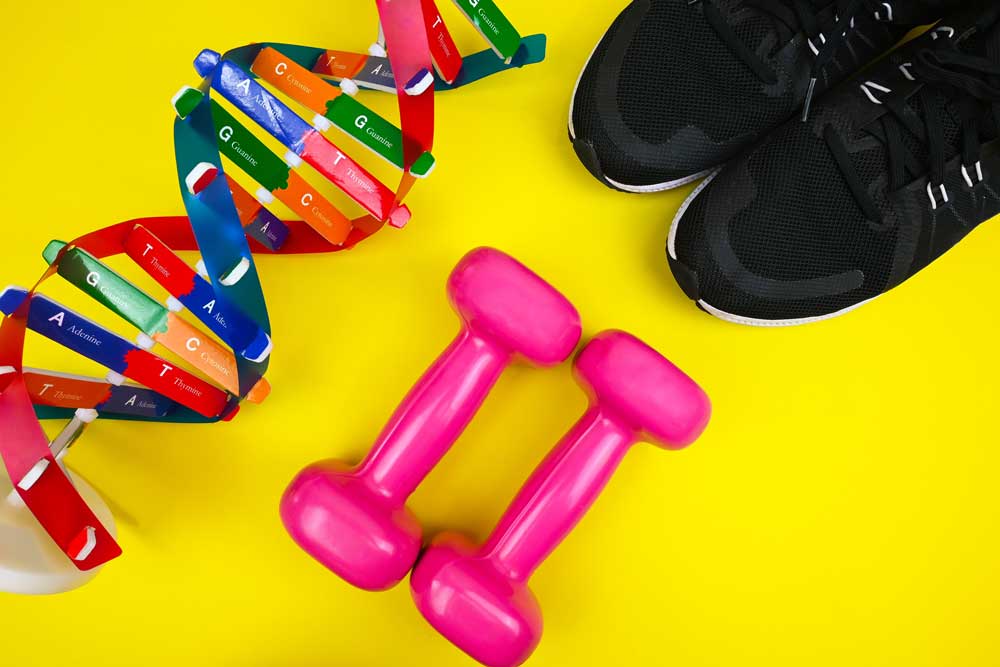
Women’s health is particularly suited to data-driven approaches because of cyclical hormonal changes and life-stage transitions such as puberty, pregnancy, and menopause. Globally, the femtech market is expected to grow rapidly, reflecting increased demand for personalised care. In India, startups and digital health platforms are beginning to localise these solutions, but access remains uneven. Although, India still faces systemic gaps, this also presents a massive opportunity due to its population scale and digital adoption. The challenge lies in scaling this transformation equitably across socio-economic and geographic divides.